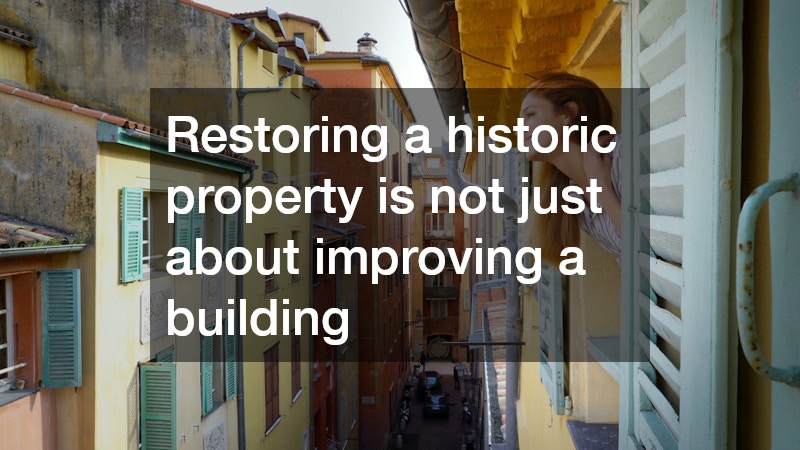
The first time you stand in front of a historic home, it’s hard not to feel both excitement and hesitation. The details are there if you look closely—aged woodwork, original windows, maybe a worn stone path leading to the door. You can see what the property once was and what it could be again. But restoring a historic building isn’t a standard renovation project. It’s stewardship. Doing it right requires careful planning, patience, and a team that understands the weight of that responsibility.
Understanding What You’re Actually Working With
Before any work begins, a thorough historical assessment is essential. This goes beyond a basic inspection. It involves researching original blueprints if they exist, studying the architectural style, and understanding the era in which the property was built. Local historical societies and archives can provide valuable insight into how the building evolved. Even small details, like trim profiles or window construction, can reveal what’s original and what may have been altered later.
A critical distinction to make early is the difference between preservation and renovation. Preservation focuses on maintaining and restoring original features wherever possible. Renovation, on the other hand, often involves updating or replacing elements to meet modern standards. In historic properties, that distinction matters. It can affect everything from compliance with local regulations to the long-term value of the home. Restoring original materials typically holds more historical and financial value than replacing them with modern equivalents.
If the property has a historic designation, the regulatory landscape becomes more complex. Local preservation boards may have strict guidelines on what can and cannot be changed, especially for exterior elements. Permits may take longer, and certain materials or methods may be required. While this can feel restrictive, these guidelines exist to protect the integrity of the structure and the surrounding area. Working within them ensures the property retains its historical significance and avoids costly missteps down the line.
Building the Right Team for the Job
Historic restoration is not the place for generalists learning on the fly. It requires professionals who understand traditional building methods, materials, and techniques. Standard contractors may be highly skilled, but without restoration experience, they can unintentionally damage original features or choose inappropriate replacements. Look for tradespeople with a proven track record in historic work and ask for examples of similar projects they’ve completed.
The exterior of the property is especially critical. The building envelope—roof, siding, windows, and foundation—protects everything inside. If it fails, the entire restoration is at risk. This is where bringing in a qualified roofing contractor with historic experience becomes essential. Older homes often used materials like slate, wood shingles, or clay tiles, each requiring specific installation and repair methods. Replacing these with modern materials may be easier in the short term, but it can compromise both the appearance and durability of the structure. A specialist can help determine whether original materials can be restored or if period-appropriate replacements are necessary.
Equally important is assembling a team that communicates effectively. Restoration projects often involve architects, contractors, preservation consultants, and sometimes local government representatives. Without strong coordination, details can get lost, and decisions can conflict. A dedicated project lead or manager helps keep everyone aligned, ensuring that the vision for the property is carried through each phase of the work. Clear communication is what turns a complex restoration into a cohesive result.
Doing the Work Without Losing the Soul
One of the biggest challenges in historic restoration is sourcing materials that match the original construction. Modern materials often differ in size, composition, and appearance, which can create inconsistencies if used without care. Salvage yards, architectural antique dealers, and specialty suppliers are valuable resources for finding period-appropriate materials. Whether it’s reclaimed wood flooring, vintage hardware, or hand-crafted tile, these elements help maintain the authenticity of the property.
At the same time, modern upgrades are often necessary for safety and livability. Electrical systems, plumbing, and HVAC typically need to be updated to meet current standards. The key is to integrate these improvements without disrupting the character of the home. This might mean running new wiring behind existing walls, using discreet venting solutions, or selecting fixtures that reflect the original design. The goal is to bring the home up to modern performance standards while keeping its historical identity intact.
Documenting the restoration process is another step that should not be overlooked. Detailed records, including photographs and notes, serve multiple purposes. They provide documentation for permits and insurance, support future resale value, and offer a clear record of the work completed. Beyond the practical benefits, this documentation becomes part of the property’s ongoing history. Each restoration adds a new chapter, and preserving that story honors the building’s past while informing its future.
That first moment on the front steps feels different once the work is complete. The structure stands renewed, its original details intact and its character preserved. What once felt uncertain now feels intentional. Restoring a historic property is not just about improving a building. It’s about carrying forward something that existed long before you arrived. Done well, it ensures the property remains not only standing, but meaningful, for generations to come.