Proper plumbing maintenance is essential to preserve both the functionality and longevity of your home’s plumbing system. Understanding basic plumbing concepts can lead to significant savings over time, preventing costly repairs and major inconveniences. Routine plumbing check-ups are often overlooked, yet they can help identify potential issues early before they become serious problems. Homeowners who are proactive with their plumbing maintenance are less likely to experience emergencies such as burst pipes or flooding. By learning a few simple practices, you can ensure your plumbing system runs smoothly and efficiently for years to come.
How Often Should Pipes Be Inspected?
Signs Your Pipes Need an Inspection
Pipes are the backbone of a home’s plumbing system, and their health determines the system’s overall stability. Inspections should ideally occur annually to catch any minor issues before they develop into major ones. However, certain signs like changes in water pressure should prompt immediate inspections. For instance, if you notice strange noises such as banging or hissing, these could be indicators of underlying problems like air trapped in the pipes or blockages.
Water discoloration is a common indicator that your pipes may need inspection. Rust, sediment, and other contaminants can cause discoloration, usually hinting at corrosion in the pipes. Corrosion can weaken pipes, leading to leaks or bursts if not addressed promptly. Cold weather also poses significant challenges to plumbing systems, as freezing temperatures can cause pipes to freeze and potentially burst. Homeowners should be especially vigilant during winter months, ensuring insulating measures are in place. Proper inspection before winter can safeguard pipes against harsh weather conditions. Plumbers recommend these preventive inspections to avoid major issues.
What Are Common Causes of Clogged Drains?
Preventive Measures for Drain Clogs
Clogged drains are one of the most common plumbing issues homeowners face. They can result from a wide array of factors, including hair, food particles, soap residue, and grease. To prevent these hassles, homeowners should avoid flushing non-biodegradable items such as wet wipes or disposing of cooking grease down the sink. Regular cleaning and maintenance can help keep drains clear by using safe, non-corrosive solutions. Additionally, installing drain guards can capture debris before it enters the plumbing system, significantly reducing the likelihood of clogs.
Kitchen and bathroom drains are particularly prone to clogs due to the specific substances channeled through them daily. A habit of pouring boiling water down the kitchen sink weekly can assist in dissolving accumulated grease. Bathroom sinks often suffer from hair accumulation, and using a drain snake periodically can help remove any blockages. It is essential to recognize signs that suggest a clog might be forming. Slow drainage and unpleasant odors can indicate that a blockage is imminent. Ignoring these signs may lead to significant plumbing issues and potentially costly repairs.
Why Do Pipes Freeze and How Can I Prevent It?
Winterizing Your Home’s Plumbing
Freezing temperatures pose a significant threat to residential plumbing systems, as water expands when frozen, leading pipes to crack and burst. November and December are critical months for preparing plumbing systems for cold weather. Homeowners can winterize their systems by insulating pipes in unheated areas like basements and garages. Sealing leaks and gaps in walls, particularly around access points such as vents and electrical wiring, can prevent cold air infiltration.
Outdoor plumbing fixtures require special attention during the winterization process. Draining garden hoses and shutting off the water supply to outdoor spigots can prevent water left in the pipes from freezing. Installing specific equipment such as frost-free spigots is also worth considering, especially in regions experiencing prolonged periods of cold temperatures. Utilizing heat tape or cable on exposed pipes provides an additional security layer, as these products maintain a safe temperature range for your pipes.
How Can I Extend the Life of My Water Heater?
Routine Maintenance Tips for Water Heaters
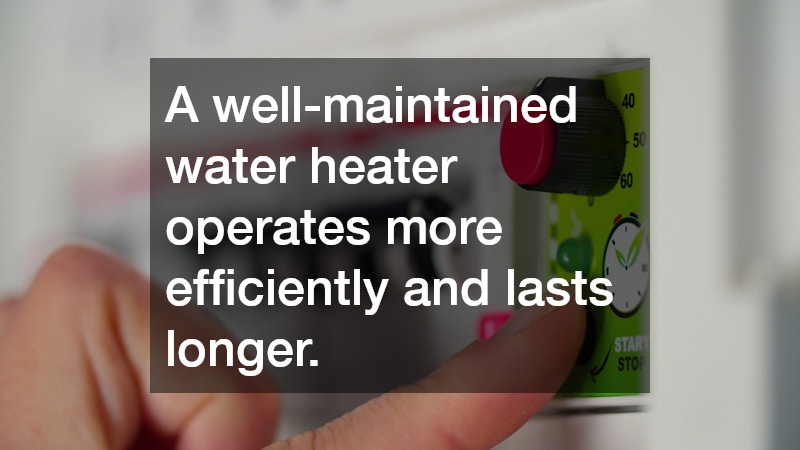
A well-maintained water heater operates more efficiently and lasts longer, minimizing both energy consumption and potential repair costs. Routine inspections should focus on checking the anode rod, a vital component preventing tank rusting. Flushing the tank annually removes sediment build-up at the bottom, which otherwise might hinder heating efficiency. The location of a water heater can influence its maintenance requirements. For instance, heaters located in basements or closets may be more susceptible to moisture-related corrosion.
Signs of water heater distress include strange noises, inconsistent water temperatures, or discolored hot water. These signals may necessitate immediate action, potentially requiring local plumbers to diagnose and address underlying problems before they worsen. Maintaining your home’s plumbing system through regular inspections and preventive measures yields considerable benefits. It prevents minor issues from escalating into significant complications, saving money and minimizing hassles. By understanding your system’s workings and partnering with experienced plumbers for routine maintenance, you can extend the lifespan of critical components such as water heaters and pipes. In embracing these practices, homeowners ensure a smoothly running plumbing system, contributing to the overall value and comfort of their home.