
Owning a home comes with an ongoing list of improvements, repairs, and maintenance tasks. While some projects are relatively simple, others require careful planning, professional assistance, and a larger financial commitment. When several areas of a home need attention at once, deciding where to begin can feel overwhelming. From addressing aging structural components to updating outdated systems and improving outdoor spaces, homeowners must consider which projects deserve immediate attention and which can wait.
Taking a strategic approach can make multiple home improvements more manageable. Rather than tackling everything at once, homeowners can evaluate their property’s condition, establish priorities, develop a realistic budget, and create a timeline that accounts for each project’s requirements. A thoughtful plan also helps prevent unnecessary expenses and keeps smaller upgrades from interfering with more important repairs.
In this article, we’ll discuss how to assess your home’s needs, prioritize essential repairs, organize projects by category, establish a practical budget, and coordinate contractors to make the improvement process easier.
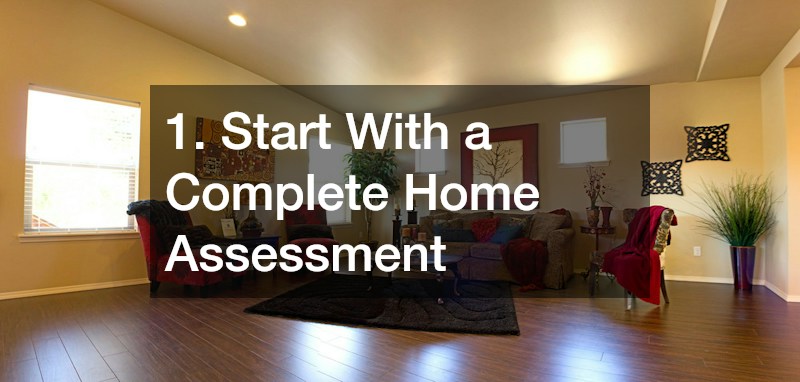
1. Start With a Complete Home Assessment
Before scheduling contractors or purchasing materials, take time to understand exactly what your home needs. Walking through the property and documenting areas that require attention provides a clearer picture of the work ahead. It also helps homeowners distinguish between cosmetic improvements and issues that could affect the property’s safety, functionality, or long-term condition.
Inspect Every Area of the Property
Start by examining each room, the exterior, and the surrounding property. Look for visible signs of deterioration, outdated features, and components that may need repairs or replacement. Pay attention to areas that are easy to overlook, including basements, attics, crawl spaces, garages, and utility areas.
During the assessment, consider the following:
-
Interior conditions: Look for damaged flooring, deteriorating drywall, outdated fixtures, poor ventilation, and signs of moisture.
-
Exterior conditions: Examine siding, windows, doors, gutters, driveways, and other exterior features for visible damage.
-
Structural components: Check for unusual cracks, uneven floors, sticking doors, or other changes that could indicate structural concerns.
-
Major systems: Evaluate the age and condition of plumbing, electrical components, heating, and cooling equipment.
-
Outdoor spaces: Consider landscaping, fencing, drainage, walkways, and areas that could benefit from improvements.
Creating a written list makes it easier to keep track of everything. You can also take photographs of areas that need attention so you have a visual record when discussing projects with contractors.
Separate Repairs From Desired Improvements
Not every project has the same level of importance. A damaged roof, persistent leak, or significant foundation concern should generally receive more attention than outdated kitchen cabinets or decorative landscaping.
Divide your list into three categories: urgent repairs, necessary upgrades, and optional improvements. This simple organization helps establish a starting point without making the entire project list feel like one enormous undertaking.
2. Address Safety and Structural Concerns First
Once you understand what your home needs, focus on issues that could affect its safety, stability, or protection from the elements. These projects often influence other improvements, making it important to address them before investing in cosmetic updates.
Evaluate the Foundation and Drainage
Foundation problems can affect multiple areas of a home. Cracks, water intrusion, uneven flooring, and persistent basement moisture may indicate issues that require professional evaluation.
Homeowners dealing with moisture concerns may need to consult foundation waterproofers to determine whether drainage improvements, sealing, or other corrective work is appropriate. Addressing water intrusion early can also help prevent damage to finished basements, stored belongings, and nearby building materials.
Exterior drainage deserves attention as well. Check whether downspouts direct water away from the foundation and whether the yard slopes appropriately around the property. These details can influence how effectively the home manages rainwater.
Inspect the Roof and Exterior Protection
A home’s exterior protects its interior from weather exposure, so damaged roofing materials, deteriorating flashing, and recurring leaks should not be ignored. Even a relatively small roofing problem can lead to additional repairs if moisture reaches insulation, ceilings, or interior walls.
Contact residential roofing professionals to assess the roof’s condition and determine whether repairs or a replacement are necessary. If several exterior projects are planned, consider how roofing work might affect gutters, siding, or other improvements.
It is generally more practical to complete major exterior repairs before installing new interior finishes that could be affected by leaks or construction activity.
Consider Legal and Property Requirements
Some home improvement projects involve more than construction decisions. Property boundaries, shared access areas, easements, and ownership questions can affect what homeowners are permitted to change.
For projects involving property disputes, ownership transfers, or complicated property agreements, real estate lawyers may help clarify applicable legal considerations. Understanding these details before construction begins can prevent disagreements and unexpected complications later.
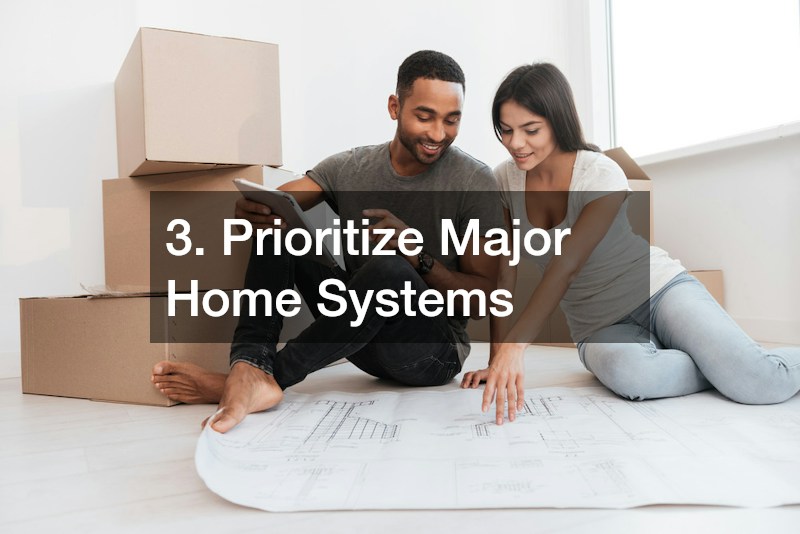
3. Prioritize Major Home Systems
After addressing immediate structural and safety concerns, evaluate the systems that make the home comfortable and functional. Plumbing, heating, cooling, and water heating equipment can all influence daily routines, utility expenses, and the overall condition of the property.
Review Plumbing Performance
Plumbing issues can range from minor inconveniences to problems that affect multiple rooms. Dripping faucets, slow drains, inconsistent water pressure, and visible pipe corrosion are worth documenting during the initial assessment.
A professional evaluation of residential plumbing can help identify problems that may require repairs, replacement components, or larger system improvements. If multiple plumbing projects are necessary, ask whether they can be completed during the same service visit.
For example, replacing aging fixtures while addressing a plumbing repair may be more convenient than scheduling separate appointments for each task. However, homeowners should first confirm that combining the work makes sense based on the property’s needs.
Evaluate Heating and Cooling Equipment
Heating and cooling systems are essential to maintaining comfortable indoor conditions throughout the year. If equipment is aging, making unusual noises, struggling to maintain temperatures, or requiring frequent repairs, it may be time to schedule an inspection.
HVAC companies can evaluate existing equipment, discuss potential repairs, and recommend replacement options when appropriate. Homeowners planning additional improvements should also consider whether changes to insulation, windows, or room layouts could influence heating and cooling requirements.
Rather than automatically replacing equipment, request an assessment that explains the system’s current condition and available options.
Plan Water Heater Improvements
Water heaters are another important part of a home’s infrastructure. Inconsistent temperatures, unusual noises, visible corrosion, or insufficient hot water can indicate that equipment needs professional attention.
If replacement is necessary, compare local water heater installations based on equipment requirements, available space, household needs, and installation costs. Homeowners should also ask about the differences between available systems and whether existing plumbing or electrical connections need modifications.
Addressing these improvements before completing certain bathroom or kitchen renovations can help avoid reopening finished walls or adjusting recently installed fixtures.
4. Organize Projects by Location and Construction Sequence
When multiple upgrades are necessary, the order of operations can make a significant difference. Some improvements depend on other projects being completed first, while others can happen simultaneously without creating unnecessary disruption.
Complete Behind-the-Wall Work First
Projects involving pipes, wiring, insulation, or structural components should generally happen before new drywall, flooring, and decorative finishes are installed. Otherwise, homeowners may need to remove recently completed materials to access systems that require repairs.
For example, if a bathroom needs plumbing improvements and new flooring, schedule the plumbing work first. Similarly, electrical and ventilation updates should be addressed before closing up walls or installing new ceilings.
This approach reduces the likelihood of repeating work and helps protect newly installed materials.
Group Projects That Share Materials or Access Areas
Certain upgrades can be coordinated because they involve similar parts of the property. Exterior improvements, for example, may include roofing, gutters, siding, and window replacements.
Discuss the project sequence with contractors to determine whether coordinating these improvements could reduce scheduling complications. If equipment, scaffolding, or other access arrangements are needed, completing related work within the same general timeframe may be beneficial.
The same idea applies indoors. Kitchen improvements involving cabinets, plumbing fixtures, countertops, and flooring should be organized around the work each installation requires.
Account for Construction Disruptions
Some projects make certain rooms temporarily unavailable. A kitchen renovation may affect meal preparation, while bathroom upgrades could limit access to essential facilities.
If several rooms need improvements, avoid scheduling projects that would make the entire home difficult to use at the same time. Establishing a realistic sequence allows homeowners to maintain basic household routines while construction is underway.
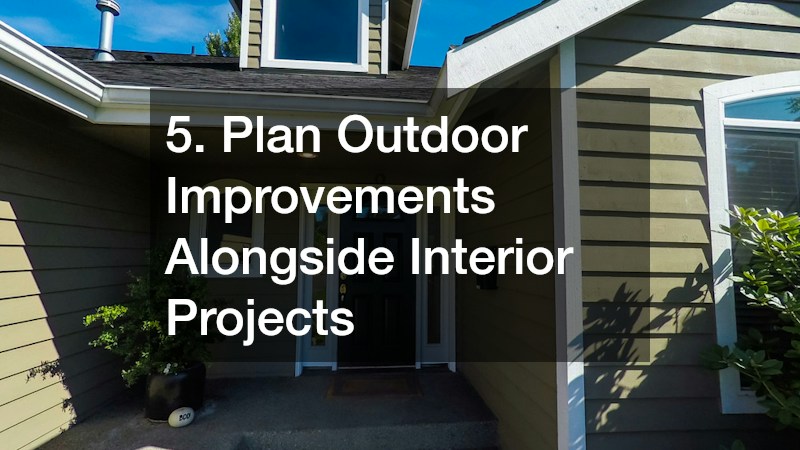
5. Plan Outdoor Improvements Alongside Interior Projects
Home improvement planning should include the entire property rather than focusing exclusively on indoor spaces. Exterior upgrades can improve functionality, appearance, privacy, and the overall usability of outdoor areas.
Review Landscaping and Tree Placement
Landscaping projects can involve anything from adding flower beds to redesigning the entire yard. Before purchasing plants or making major changes, consider the property’s existing layout, drainage, sunlight, and available space.
Homeowners interested in adding greenery can explore trees for sale that are appropriate for their climate and yard conditions. Consider mature tree size, root growth, maintenance requirements, and proximity to structures before choosing specific varieties.
If existing trees have damaged branches, obstructed walkways, or created concerns near the house, have them evaluated before starting other landscaping work.
Improve Privacy and Property Boundaries
Fencing can make outdoor areas more functional by defining property boundaries, creating private spaces, and providing designated areas for pets or recreation.
When planning a fence replacement or installation, work with a qualified fence contractor who can evaluate the property’s layout and discuss suitable materials. Wood, vinyl, metal, and other fencing options each have different appearances and maintenance requirements.
Before installation, verify property boundaries and check whether local regulations or neighborhood requirements affect fence height, placement, or appearance.
Consider Garage Access and Functionality
Garages often serve several purposes beyond parking vehicles. They may provide storage, workspace, or access to the backyard, making their condition important to the property’s overall functionality.
If the existing door is damaged, outdated, or difficult to operate, garage door installation may be worth adding to the improvement plan. Consider insulation, operating mechanisms, security features, and the appearance of the door when comparing options.
Because garage doors are large and frequently used, professional installation can help ensure that the equipment is properly fitted and operates as intended.
6. Establish a Realistic Home Improvement Budget
Once projects have been identified and organized, the next step is determining how much you can comfortably spend. Multiple upgrades can become expensive quickly, especially when structural repairs or major system replacements are involved.
Estimate Each Project Separately
Rather than assigning one large budget to the entire home, estimate the expected cost of each individual project. Request quotes from qualified contractors and compare what each estimate includes.
Consider expenses such as:
-
Labor and installation fees.
-
Materials and equipment.
-
Permits and inspection costs, when applicable.
-
Demolition and disposal services.
-
Temporary accommodations, if necessary.
-
Additional repairs discovered during construction.
Comparing individual estimates makes it easier to identify which projects are affordable immediately and which may need to be postponed.
Create a Contingency Fund
Even with careful planning, home improvement projects can uncover unexpected issues. Removing old flooring might reveal damaged subflooring, while opening a wall could expose plumbing concerns that were not visible during the initial assessment.
Set aside additional money to account for these possibilities. A contingency fund helps prevent one unexpected repair from disrupting the entire improvement schedule.
Decide Where to Save and Where to Invest
Not every upgrade requires the most expensive available materials or equipment. Homeowners can often find practical ways to control costs by comparing material options, selecting standard finishes, or completing less complicated cosmetic projects themselves.
However, structural repairs, plumbing work, electrical improvements, and other specialized services generally deserve professional attention. Saving money upfront should not come at the expense of proper installation or long-term performance.

7. Choose Contractors and Coordinate Their Work
Finding qualified professionals is an important part of managing multiple home upgrades. The right contractors can help homeowners understand project requirements, establish realistic schedules, and avoid unnecessary complications.
Request Multiple Estimates
Whenever possible, obtain estimates from more than one contractor for significant projects. Compare pricing, proposed materials, project timelines, warranties, and the specific services included.
A lower estimate does not automatically represent the best value. Review the details carefully to understand whether contractors are proposing comparable work and whether additional expenses might arise later.
Ask questions about anything that is unclear before agreeing to a project.
Verify Credentials and References
Before hiring a contractor, review applicable licensing and insurance requirements. Ask for references, examine previous projects, and look for customer feedback that provides insight into workmanship and communication.
It is also important to establish expectations in writing. Contracts should explain the work being performed, payment arrangements, expected completion dates, and procedures for handling changes.
Coordinate Contractors Around the Same Timeline
When several professionals are involved, communication becomes especially important. A roofing contractor, plumber, electrician, and flooring installer may all need access to different parts of the property.
Create a shared project calendar that outlines when each contractor is expected to begin and finish. Build some flexibility into the schedule because weather, material availability, and unexpected repairs can affect completion dates.
Homeowners who are relocating belongings or temporarily clearing rooms may also need help from local moving companies. Coordinating these arrangements ahead of time can make it easier to prepare spaces for construction without rushing the process.
8. Keep Track of Progress and Adjust the Plan
Even the most detailed improvement plan may need adjustments once work begins. Staying organized throughout the process helps homeowners maintain control over expenses, timelines, and project expectations.
Maintain a Central Project Record
Keep estimates, invoices, contracts, permits, product information, and contractor contact details in one location. Having everything together makes it easier to review decisions and reference important information when questions arise.
A simple spreadsheet can track each project’s status, including whether it has been scheduled, started, completed, or postponed. You can also record payments and note any changes to the original scope of work.
Review Work Before Moving Forward
After each major project, inspect the completed work with the contractor. Confirm that agreed-upon tasks have been addressed and ask questions about maintenance or future care.
For projects involving multiple stages, make sure the necessary work has been completed before allowing the next contractor to begin. For example, verify that plumbing and electrical improvements have been inspected, when required, before covering the affected areas.
Revisit Your Priorities When Necessary
As improvements progress, you may discover that certain projects are more urgent than originally expected. Alternatively, some upgrades may no longer be necessary after another repair has been completed.
Review your list regularly and adjust the schedule based on the home’s condition, available funds, and contractor recommendations. Remaining flexible helps prevent small setbacks from turning into larger planning problems.
When your home needs multiple upgrades, the best place to start is with a clear understanding of its current condition. Prioritizing structural repairs, evaluating essential systems, organizing projects by construction sequence, and establishing a realistic budget can make the process much easier to manage. With careful planning and reliable professionals, homeowners can approach improvements one step at a time while creating a more comfortable, functional, and well-maintained property.
If your home is ready for several improvements, start by documenting its needs and developing a plan that fits your priorities. Take the first step toward a more functional home by organizing your projects and connecting with qualified professionals who can help bring your improvement plans to life.