The contemporary landscape of driveway and road construction is significantly influenced by the utilization of asphalt. Renowned for its versatility and dependability, asphalt’s history dates back many decades with its roots deeply embedded in modern engineering practices. Urban planners and construction experts frequently favor asphalt due to its blend of practicality and efficiency.
Its prevalence in construction is not merely rooted in tradition but is heavily supported by a plethora of advantageous properties. The combination of historical reliability and modern enhancements makes asphalt a material worthy of widespread application. From rural roads to bustling city avenues, asphalt has solidified its position as an indispensable component of infrastructure development.
Durability Factors
Asphalt’s durability stems from its unique composition, primarily consisting of aggregates, binder, and filler. The binder, a derivative of crude oil, provides elasticity and adhesion, helping asphalt withstand various weather conditions without cracking. The correct mix allows it to endure heavy traffic and shift under pressure, maintaining surface integrity over time.
Another key to its durability is asphalt’s ability to flex and adapt to minor ground movements, reducing the likelihood of significant damage. Unlike rigid materials, the viscous nature of asphalt absorbs shock and vibrations from vehicles, prolonging its lifespan. This resilience is particularly important in areas with fluctuating temperatures, where other paving materials may suffer from expansion and contraction.
Moreover, technological advances have continued to enhance the durability of asphalt. Modern formulations can include additives that improve performance against specific environmental challenges, such as polymers that increase elasticity and resistance to UV rays. This adaptability allows asphalt to meet the stringent demands of today’s infrastructural needs, making it a preferred choice for durable road surfaces.
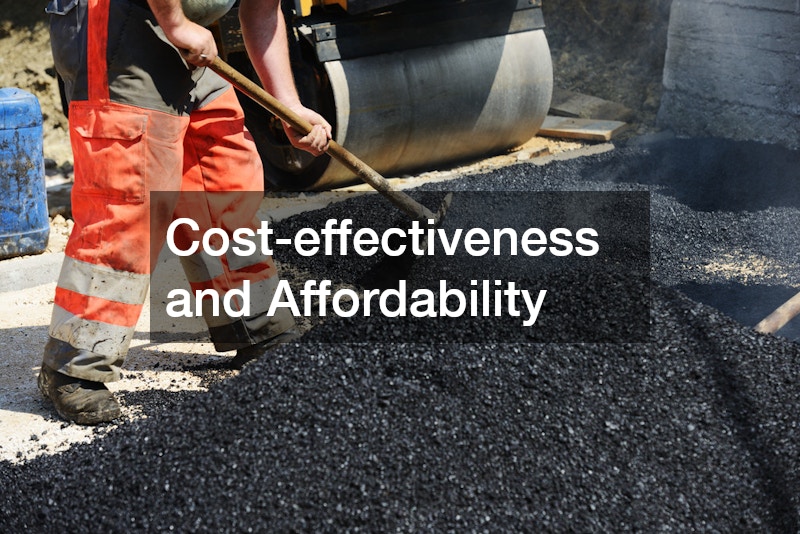
Cost-effectiveness and Affordability
One of the foremost reasons asphalt remains a popular choice is its cost-effectiveness. Compared to alternative paving materials like concrete, asphalt is generally cheaper to produce and install. The lower initial costs make it an attractive option for both large-scale highway projects and small residential driveways.
In terms of maintenance, asphalt provides significant savings over its lifespan. While paving surfaces of any material require upkeep, asphalt’s maintenance procedures are relatively straightforward and less costly. Repairs, when necessary, are often quicker and less disruptive, requiring fewer resources and less labor.
These economic benefits extend beyond the immediate construction phase. The reflective properties of certain types of asphalt can reduce energy costs in adjacent areas by minimizing heat absorption. This, combined with lower installation and maintenance expenses, ensures asphalt is a fiscally responsible choice for long-term infrastructure planning.
Sustainability and Recycling
Environmental considerations are increasingly influencing material selection in construction projects, and asphalt has adapted well to this trend. Asphalt is 100% recyclable, making it one of the most sustainable paving solutions available today. This recyclability reduces the demand for new raw materials and minimizes the environmental footprint of asphalt production.
Reclaimed asphalt pavement (RAP) can be reprocessed and integrated into new asphalt mix, thus conserving resources and preventing waste. The use of RAP not only enhances the sustainability of asphalt but can also improve the performance characteristics of the final product. Innovations in asphalt recycling processes have dramatically improved the quality and efficiency of this material loop.
In addition to recycling, ongoing research is focused on developing eco-friendly asphalt variants and additives. These efforts aim to further reduce emissions from asphalt production and improve the material’s environmental compatibility. This evolving approach demonstrates how asphalt can align with modern demands for greener construction practices.
Maintenance Tips and Techniques
Maintaining asphalt surfaces is crucial to preserving their longevity and functionality. Regular inspections are essential to identify early signs of wear such as cracks, potholes, or surface deterioration. Addressing these issues promptly can prevent more extensive damage and reduce repair costs.
Sealcoating is a widely recommended maintenance technique for asphalt. This process involves applying a protective layer that enhances resistance to water, oils, and UV damage. By extending the life of the asphalt surface, sealcoating contributes to maintaining a smooth and attractive finish for many years.
Additionally, proper drainage systems play a vital role in asphalt maintenance. Ensuring water does not pool on the asphalt surface prevents erosion and structural weakening. Maintaining clear and functional drainage can drastically improve the performance and lifespan of asphalt surfaces, making regular maintenance an integral part of asphalt care.
Adaptability to Conditions
Asphalt’s ability to perform under various environmental conditions is one of its greatest strengths. Its inherent flexibility allows it to manage the stresses imposed by different climates, making it a versatile choice regardless of geographical location. Asphalt’s pliability helps it resist cracking during temperature fluctuations by adjusting to thermal expansion and contraction.
In colder climates, asphalt can be designed with specific additives to endure low temperatures and resist frost damage. Conversely, in hotter environments, formulations can be adjusted to prevent heat-related deterioration. This adaptability ensures that asphalt remains serviceable in diverse weather conditions and terrains.
Apart from temperature resilience, drainage and slope management are crucial in areas prone to heavy rain. Asphalt’s permeability can be optimized to facilitate effective water run-off, minimizing the risks posed by prolonged exposure to moisture.