
Planning a dream home involves more than choosing a floor plan or selecting attractive finishes. It requires coordinating construction, interior improvements, outdoor features, and essential services to create a comfortable and functional property. Whether building from the ground up or renovating an existing house, homeowners must balance personal preferences with practical needs, budgets, and long-term maintenance.
Starting with a clear plan helps property owners prioritize projects, compare contractors, and avoid unnecessary expenses. Considering how different improvements work together also makes a difference. Exterior materials affect maintenance, mechanical systems influence indoor comfort, and outdoor additions require thoughtful placement. With careful preparation, homeowners can make informed decisions and create a property that supports their lifestyle for years to come.
1. Establishing a Vision and Construction Budget
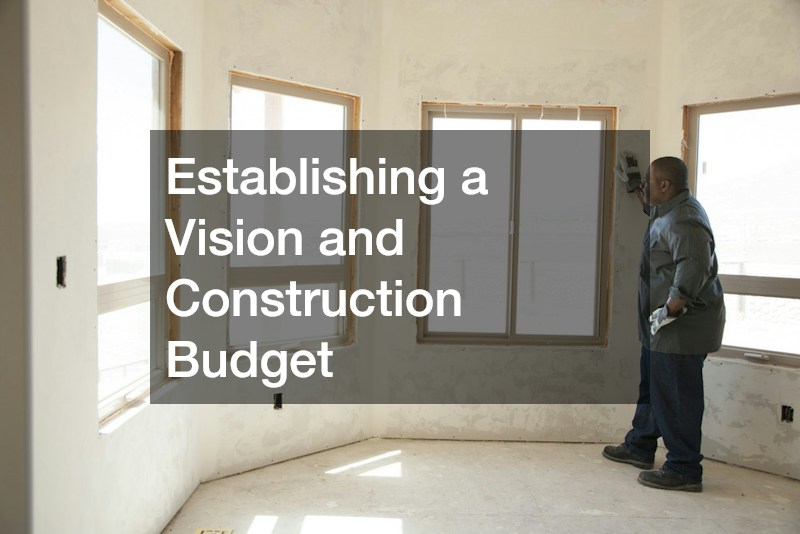
Before beginning a project, homeowners should identify their priorities. Some may need additional living space, while others want more storage, improved energy efficiency, or better outdoor entertaining areas. Separating essential features from optional upgrades helps establish a realistic budget.
Construction expenses extend beyond labor and materials. Planning should account for permits, inspections, equipment, landscaping, and unexpected repairs. Setting aside contingency funds can help homeowners handle surprises without abandoning important project goals.
A practical budget should include:
- Design and planning: Architectural services, surveys, permits, and engineering assessments.
- Construction: Labor, framing, roofing, flooring, and exterior finishes.
- Mechanical systems: Plumbing, electrical work, heating, and cooling.
- Outdoor improvements: Driveways, patios, fencing, and landscaping.
- Contingencies: Additional funds for unexpected conditions or price changes.
Homeowners should also establish a realistic timeline. Weather, material availability, permit approvals, and contractor schedules can affect completion dates. Discussing these variables early helps everyone establish reasonable expectations and coordinate work effectively.
2. Choosing a Home Design That Fits Your Lifestyle
A successful home design reflects how occupants live, work, and relax. Open living areas may encourage social interaction, while separate offices provide privacy. Adequate storage, convenient room placement, and accessible entrances can make everyday routines easier.
Homeowners interested in flexible layouts and distinctive architectural styles may consider barndo construction. Barndominium-style homes combine barn-inspired exteriors with residential interiors and can accommodate features such as open living areas, high ceilings, and attached workshops.
However, these designs must meet applicable zoning requirements, building codes, and structural standards. Property owners should verify local regulations before committing to a particular layout.
When evaluating designs, consider:
- Current needs: Determine how many bedrooms, bathrooms, and shared spaces are necessary.
- Future flexibility: Consider changing household sizes or work arrangements.
- Energy performance: Evaluate insulation, natural lighting, and ventilation.
- Maintenance: Choose materials suited to the property’s climate.
- Resale potential: Consider whether the layout will appeal to future buyers.
Balancing personal preferences with practical requirements creates a home that remains useful as circumstances change. Homeowners should also discuss their plans with qualified design professionals to identify structural limitations or layout changes that could increase costs.
3. Preparing for a Smooth Move

Moving into a new home requires coordination, particularly when construction or renovations overlap with relocation plans. Homeowners should establish a moving timeline based on the property’s expected completion date and any outstanding inspections or repairs.
Hiring a professional moving service can simplify transportation, packing, and heavy lifting. Before selecting a provider, compare estimates, scheduling options, and the services included. Ask whether packing supplies, furniture disassembly, storage, and specialty-item handling cost extra.
Preparation makes moving day more efficient. Sort belongings before packing, label boxes by room, and keep essential supplies accessible.
A useful checklist includes:
- Arrange electricity, water, internet, and waste collection.
- Update mailing addresses and notify relevant service providers.
- Measure doorways and furniture to confirm that large items will fit.
- Protect finished floors and walls during furniture transportation.
- Keep important documents and everyday necessities readily available.
Homeowners should also photograph valuable belongings before transportation and inspect the property after arrival. Confirming that essential systems work properly helps identify outstanding issues before everyday routines begin.
If construction is still underway, confirm that the home is ready for occupancy before scheduling the move. Moving furniture into unfinished rooms can expose belongings to dust, moisture, and accidental damage. A little coordination can prevent avoidable cleanup and protect newly installed finishes.
4. Protecting Your Investment With Appropriate Coverage
Insurance helps homeowners manage financial risks associated with property damage, liability, and unexpected events. Coverage needs depend on the property’s location, construction materials, replacement cost, and intended use.
Consulting local insurance agents can help homeowners compare policies and understand coverage considerations specific to their circumstances. Major renovations, swimming pools, detached structures, and additional living spaces may affect insurance requirements.
Important considerations include:
- Dwelling coverage: Review whether policy limits reflect rebuilding costs.
- Personal property: Understand how furniture, electronics, and other belongings are covered.
- Liability protection: Evaluate coverage for certain injuries or property damage involving others.
- Construction coverage: Determine whether specialized protection is necessary during building or major renovations.
- Additional structures: Check how garages, sheds, fences, and other improvements are treated.
Homeowners should compare exclusions, deductibles, and coverage limits rather than selecting a policy based solely on price. They should also notify their insurer about significant property changes and periodically review coverage as the home and its contents change.
Maintaining receipts, contracts, and documentation of completed improvements can simplify future policy reviews. Before starting major work, homeowners should clarify who is responsible for insuring the property during construction and whether existing coverage adequately addresses the planned changes.
5. Creating a Durable and Attractive Driveway
A driveway contributes to curb appeal while providing safe, convenient access to the property. Its durability depends on material selection, soil conditions, drainage, and proper installation.
When planning residential paving, homeowners should consider expected vehicle traffic, available space, slope, and maintenance requirements. Asphalt, concrete, gravel, and pavers each offer different benefits depending on the property and budget.
Working with experienced paving companies can help homeowners compare suitable materials and installation methods. Estimates should explain excavation, base preparation, drainage, material thickness, and finishing work.
Before approving a project, ask contractors about:
- Whether the existing surface needs removal.
- How the underlying soil will be prepared.
- Where rainwater will drain.
- What maintenance the selected material requires.
- How long the surface needs to cure or settle.
Drainage is particularly important because standing water can contribute to pavement deterioration and erosion. Driveways should direct runoff appropriately without creating problems near foundations or neighboring properties.
Homeowners should also consider how the driveway will accommodate everyday activities. Adequate width, turning space, and access to garages can make parking easier, while clear pedestrian paths improve convenience. Coordinating installation with other exterior work helps protect the finished surface from heavy equipment and unnecessary damage.
6. Improving the Exterior With Practical Materials

Exterior improvements influence appearance, weather resistance, and maintenance. Siding and windows work together to protect the home from moisture, temperature changes, and outdoor conditions.
Vinyl siding is a popular option because it comes in numerous colors and profiles. It generally requires straightforward maintenance, although periodic cleaning and inspections remain important. Proper installation is essential to manage moisture and protect vulnerable areas around windows, doors, and corners.
Windows also affect daylight, ventilation, and indoor comfort. Damaged glass, failed seals, and deteriorating frames can contribute to drafts or water intrusion. Depending on the condition of the existing assembly, window glass replacements may be suitable when the frame remains serviceable.
Homeowners should consider the following when planning exterior upgrades:
- Compare durability, appearance, maintenance, and warranty terms.
- Inspect existing materials for moisture damage before covering them.
- Confirm that window specifications fit the existing openings.
- Ensure flashing and trim transitions are installed correctly.
- Coordinate exterior colors with roofing, doors, and landscaping.
A professional assessment can help determine whether a localized repair or a complete replacement is more appropriate. Scheduling related improvements together may also reduce repeated labor and create a more consistent finished appearance.
Homeowners should avoid choosing materials based on appearance alone. Climate exposure, installation requirements, and expected upkeep all influence long-term performance. Reviewing samples in natural light and considering the home’s architectural style can help ensure that the finished exterior looks cohesive.
7. Maintaining Indoor Comfort and Mechanical Systems
A comfortable home depends on properly installed and maintained mechanical systems. Heating, cooling, ventilation, and insulation all influence indoor temperatures, humidity, and energy consumption.
Homeowners should consider equipment requirements during the design process rather than waiting until construction is nearly complete. Window placement, ceiling height, insulation, and air leakage can influence heating and cooling demands.
Routine maintenance helps identify developing issues before they cause larger disruptions. Depending on manufacturer recommendations, maintenance may include replacing filters, inspecting coils, and checking condensate drainage.
When ac repairs become necessary, symptoms such as weak airflow, unusual noises, inconsistent temperatures, or water near indoor equipment should be evaluated by a qualified technician.
Homeowners can support system performance by:
- Replacing filters according to manufacturer guidance.
- Keeping outdoor equipment clear of leaves and debris.
- Avoiding blocked air registers and return vents.
- Maintaining access around mechanical equipment.
- Scheduling inspections based on system requirements.
Refrigerant systems and electrical components should be handled by appropriately qualified professionals. Selecting suitable equipment and maintaining it consistently can help homeowners preserve comfort and identify problems before they become more disruptive.
Energy efficiency deserves attention during planning, too. Proper insulation, sealed gaps, appropriate window specifications, and programmable temperature controls can support more consistent indoor conditions. Homeowners should evaluate the building and its equipment together rather than expecting a new system to compensate for every underlying efficiency problem.
8. Designing a Functional Backyard Retreat

Outdoor living areas provide additional space for recreation, relaxation, and entertaining. A successful backyard design balances appearance with accessibility, safety, privacy, and maintenance.
Before selecting features, consider how the household will use the space. Families may prioritize open areas for activities, while frequent entertainers may prefer patios, dining spaces, and comfortable seating.
Swimming pools require especially careful planning. Inground pool builders can help homeowners evaluate placement, excavation, circulation equipment, and the relationship between the pool and surrounding features.
The proposed location should account for property boundaries, underground utilities, drainage, soil conditions, and applicable regulations. Depending on local requirements, permits, barriers, and approved gates may also be necessary.
Budgeting should include long-term ownership expenses, such as water treatment, cleaning equipment, electricity, repairs, and safety equipment.
Other considerations include:
- Providing convenient paths between the house and pool.
- Selecting appropriate surfaces for wet areas.
- Ensuring equipment remains accessible for maintenance.
- Planning lighting for safe movement after dark.
- Choosing landscaping that does not obstruct walkways.
Considering these details before construction helps create a backyard that feels cohesive and remains practical to maintain. Homeowners should also evaluate privacy, shade, and drainage before finalizing the layout. Trees and planting beds can improve the atmosphere, but their placement should not interfere with underground utilities or pool equipment.
9. Adding Warmth and Character to Outdoor Entertaining
Outdoor gathering spaces can extend a home’s usable living area. Seating, lighting, landscaping, and shelter help create an inviting atmosphere while supporting comfortable movement.
An outdoor fireplace can serve as a focal point for a patio and provide warmth during cooler weather. Before choosing a design, homeowners should consider fuel type, ventilation, installation requirements, and local fire regulations.
Placement is especially important. Fireplaces need appropriate clearance from combustible materials, nearby structures, and overhanging branches. Wind direction and smoke movement should also be considered to minimize discomfort for occupants and neighbors.
A functional entertaining area may include:
- Comfortable seating arranged for conversation.
- Lighting that improves visibility without excessive glare.
- Weather-resistant furniture and storage.
- Convenient access to outdoor dining areas.
- Landscaping that complements the space without creating hazards.
Homeowners should follow manufacturer instructions for installation, operation, and maintenance. Keeping the surrounding area clear and inspecting equipment regularly helps support safer use.
Coordinating these features with the home’s architecture and existing landscaping creates a more unified outdoor environment without overcrowding the property. Before purchasing furniture or decorative elements, measure the available space and preserve clear walkways. Choosing durable materials and planning storage for seasonal items can also reduce maintenance and keep the area ready for use.
10. Coordinating Contractors and Managing Timelines
When several contractors work on one property, scheduling and communication become essential. Construction, mechanical work, exterior improvements, and landscaping often depend on one another, so the order of operations can affect both costs and quality.
Develop a written schedule identifying major milestones, inspection dates, material deliveries, and dependencies. Structural work and mechanical installations generally need to happen before final finishes, while heavy equipment access should be considered before completing driveways and landscaping.
Before hiring contractors, review their relevant experience, required licenses, insurance documentation, references, and written estimates.
Clarify these details before work begins:
- Which tasks and materials are included in the contract.
- Who is responsible for permits and inspections.
- How changes to the project will be approved and priced.
- What payment schedule applies.
- How delays, warranties, and unfinished work will be addressed.
Keep contracts, receipts, permits, product specifications, and warranty documents organized. Reviewing progress regularly can help identify problems early and prevent misunderstandings about costs or deadlines.
Homeowners should also make major material selections early. Delayed decisions about fixtures, finishes, or specialty products can interrupt the schedule, especially when items require custom ordering. Confirming measurements and inspecting deliveries promptly can help prevent installation problems.
Clear expectations and consistent communication make it easier to manage multiple projects while maintaining focus on the finished home’s quality.
Creating a dream home requires balancing personal preferences, practical requirements, and long-term responsibilities. Every decision, from the original layout to the final exterior details, influences the property’s appearance, functionality, and ongoing expenses.
Homeowners can improve their results by establishing priorities, preparing realistic budgets, comparing materials, and coordinating projects carefully. Professional guidance can also help clarify technical requirements and identify potential problems before they become costly.
With thoughtful planning and consistent communication, property owners can create a comfortable, functional home that accommodates changing needs and remains enjoyable for years to come.