
Owning a home comes with the opportunity to create a space that fits your lifestyle, but it also comes with ongoing responsibilities. A property requires regular attention to remain comfortable, safe, functional, and attractive. From the roof overhead to the driveway beneath your feet, every part of the home can benefit from routine inspections and timely improvements.
Home maintenance does not always require major renovations. Small repairs, seasonal upkeep, and thoughtful improvements can help prevent minor problems from becoming expensive projects. At the same time, knowing when to bring in a professional can help homeowners address complicated issues safely and effectively.
By taking a whole-property approach, homeowners can keep track of important maintenance tasks while identifying opportunities to improve their homes over time. A combination of preventative care, professional services, and practical upgrades can help protect the property and make it a better place to live.

Start With A Seasonal Maintenance Routine
One of the simplest ways to stay ahead of home maintenance is to create a seasonal checklist. Different parts of a property can require attention at different times of the year, so dividing tasks across the seasons can make responsibilities more manageable.
Spring is often a good time to inspect the exterior after winter weather. Homeowners can look for damaged shingles, clogged gutters, cracked pavement, standing water, and signs of moisture intrusion. Landscaping can also be cleaned up as plants begin their new growth.
Summer may be a useful time to focus on outdoor projects, exterior painting, landscaping, and other improvements that benefit from warmer weather. Homeowners can also inspect decks, patios, fences, and outdoor structures.
Fall maintenance can include cleaning gutters, trimming vegetation, checking weatherstripping, and preparing heating equipment for colder temperatures. Winter brings its own concerns, including frozen pipes, ice accumulation, and snow-related damage.
A written checklist can help homeowners remember recurring tasks. Keeping records of repairs and professional inspections can also make it easier to identify recurring problems and plan future improvements.
Keep Plumbing Systems In Good Condition
Plumbing is one of the most important systems in a home because it supports everyday activities such as cooking, cleaning, bathing, and laundry. Because much of the plumbing infrastructure is hidden behind walls or underneath the property, problems may not always be obvious until damage has already occurred.
Homeowners should pay attention to dripping faucets, slow drains, unusual odors, low water pressure, water stains, and unexplained increases in water usage. These signs can indicate leaks or other plumbing concerns that deserve further investigation.
Professional plumbing companies can evaluate plumbing systems, identify problems, and perform repairs or maintenance based on the condition of the property. Addressing issues early may help reduce the risk of water damage and more extensive repairs.
Homeowners can also take simple preventative steps. Avoid putting grease, unsuitable materials, or excessive debris down drains. Check under sinks periodically for moisture and inspect exposed pipes for corrosion or leaks.
The age of a home’s plumbing system should also be considered when planning renovations. If a bathroom or kitchen is being remodeled, it may be an appropriate time to evaluate accessible plumbing components and determine whether updates are needed.
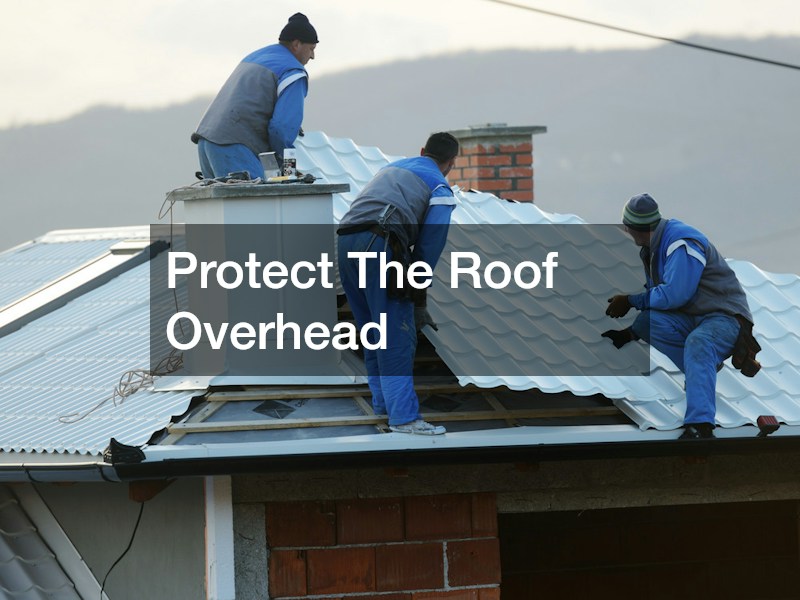
Protect The Roof Overhead
The roof is one of a property’s most important defenses against rain, snow, wind, and other weather conditions. Because roof problems can lead to water intrusion and interior damage, homeowners should make roof inspections part of their regular maintenance routine.
Look for missing or damaged shingles, deteriorating flashing, clogged gutters, moss or algae growth, and areas where water appears to collect. Inside the home, ceiling stains, damp insulation, peeling paint, or musty odors can sometimes indicate a roof-related moisture problem.
When a roof has reached the end of its service life or sustained significant damage, replacement may be necessary. Professional roof installation can provide a new protective layer for the property while giving homeowners an opportunity to select materials suited to the home’s design and local climate.
Roof maintenance should not be limited to the roof surface itself. Gutters, downspouts, flashing, vents, and areas around chimneys can all influence how effectively water moves away from the house. Keeping these components in good condition can help support the overall roofing system.
Address Sewer Infrastructure
A home’s sewer system is another area that often goes unnoticed until a significant problem occurs. Slow drains throughout the property, recurring backups, unpleasant odors, or unusual changes in drainage can indicate a problem deeper within the system.
Older properties may have sewer pipes made from materials that can deteriorate over time. Tree roots can also enter damaged or aging pipes, potentially causing blockages or structural problems.
Depending on the condition of the existing line, sewer pipe lining may be one option professionals evaluate for certain sewer problems. This approach can sometimes rehabilitate an existing pipe without requiring the same type of excavation associated with complete replacement.
Homeowners should not assume that every sewer issue requires the same solution. A professional evaluation can help determine the condition of the pipes and identify an appropriate course of action. Addressing sewer problems early can also help reduce the possibility of backups and extensive property disruption.

Improve The Landscape
A home’s landscape influences both curb appeal and how the property is used. A thoughtful outdoor layout can create areas for entertaining, gardening, relaxing, exercising, or simply enjoying the surrounding environment.
Before making major landscaping changes, homeowners should consider how the yard is currently used. Families with children may want open areas for play, while others may prioritize gardens, outdoor seating, privacy, or low-maintenance plantings.
Professional landscape design can help homeowners develop an outdoor plan that considers plant placement, drainage, sunlight, walkways, and the relationship between different areas of the property. A well-planned landscape can also help homeowners avoid placing plants in locations where roots or mature growth could create future problems.
Maintenance should be considered alongside appearance. Choosing plants that are appropriate for the local climate and available sunlight can make ongoing care more manageable. Mulching, pruning, watering, and seasonal cleanup can help maintain the landscape once the initial design is complete.
Maintain Trees And Protect The Property
Trees can add shade, character, privacy, and natural beauty to a property, but they also require ongoing care. Dead branches, unstable trees, and storm-damaged limbs can create risks for homes, vehicles, power lines, and people.
Homeowners should regularly inspect trees for obvious signs of damage or decline. Cracks in major branches, leaning trunks, dead limbs, exposed roots, or significant changes in appearance may warrant professional evaluation.
Severe storms can create situations where damaged trees need immediate attention. An emergency tree removal service may be appropriate when a fallen or dangerously damaged tree creates an urgent hazard.
Routine tree care can help homeowners address concerns before they become emergencies. Professional pruning can remove problematic growth, improve the structure of certain trees, and reduce the likelihood of branches interfering with structures or other property features.
Tree maintenance should be approached carefully, particularly when large branches are near electrical lines or buildings. Homeowners should avoid taking unnecessary risks with equipment or unstable trees and seek qualified assistance when a project exceeds their experience.
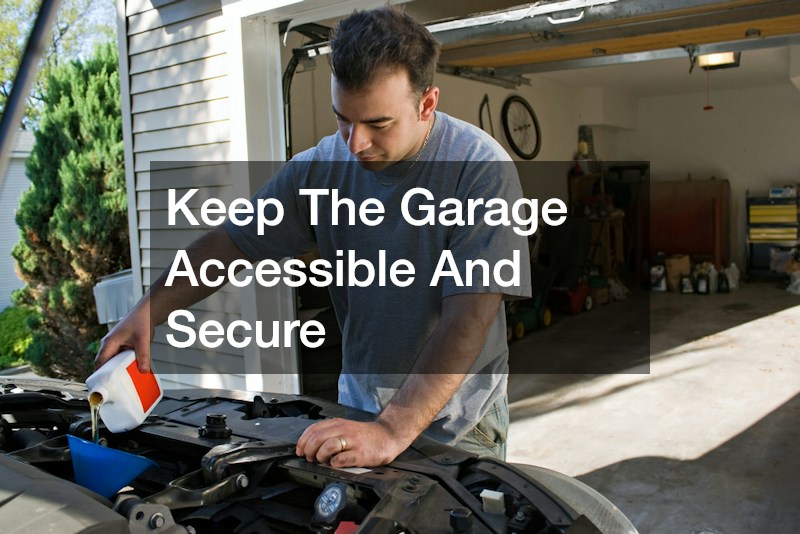
Keep The Garage Accessible And Secure
The garage is often one of the most frequently used areas of a home, serving as a parking space, storage area, workshop, or entry point into the house. Its door system deserves regular attention because it contains moving components that can wear over time.
Homeowners may notice problems through unusual noises, slow movement, uneven operation, or a door that does not fully open or close. These signs should not be ignored because a malfunctioning garage door can create security and safety concerns.
Professional garage door repair can address problems involving worn components, damaged mechanisms, or other operational issues. Homeowners should also keep the area around the garage door clear and avoid placing objects where they could interfere with its movement.
The garage itself can benefit from organization and maintenance. Shelving, storage containers, wall-mounted systems, and labeled bins can help keep tools and seasonal items accessible without blocking walkways or vehicles.
Maintain The Driveway And Other Paved Areas
Driveways, walkways, and other paved surfaces experience regular exposure to weather, vehicle traffic, and changing temperatures. Over time, small cracks can develop and may become larger if they are not addressed.
Homeowners should periodically inspect paved areas for cracks, potholes, uneven sections, drainage issues, and crumbling edges. Addressing minor deterioration can help preserve the surface and improve the appearance of the property.
For larger projects, asphalt paving services can help homeowners repair, resurface, or install paved areas. The appropriate solution depends on the condition of the existing surface, drainage, intended use, and overall property layout.
Water management is particularly important around paved surfaces. Water that remains against a driveway or walkway can contribute to deterioration over time. Proper grading and drainage can help direct water away from structures and reduce unnecessary stress on pavement.
Add Functionality With Hardscaping
Landscaping involves plants and natural elements, while hardscaping focuses on constructed features such as patios, retaining walls, walkways, steps, outdoor seating areas, and other permanent structures.
Hardscaping can make a yard more functional by defining spaces and creating durable surfaces for everyday use. A patio can provide a place for outdoor dining, while a walkway can connect the driveway to the home’s entrance or garden areas.
Hardscaping contractors can help homeowners plan and construct these features based on the property’s layout and intended use. Proper installation is important because drainage, grading, structural support, and material selection can affect the long-term performance of hardscape features.
Homeowners should consider how new structures will interact with existing landscaping. A well-planned patio or walkway should complement the surrounding yard rather than creating unnecessary obstacles or maintenance challenges.
Check Windows And Exterior Openings
Windows play an important role in natural lighting, ventilation, insulation, and the appearance of a home. Damaged or poorly sealed windows can also contribute to drafts and moisture problems.
Homeowners should inspect window frames, seals, screens, glass, and surrounding areas for visible deterioration. Condensation between panes, drafts, difficulty opening or closing windows, or visible water damage can indicate that a window needs attention.
In some cases, residential window repairs may be sufficient to restore functionality without replacing the entire window. Repairs can address certain issues involving hardware, seals, screens, or other components, depending on the window’s condition.
Keeping exterior doors and windows properly sealed can also improve indoor comfort. Weatherstripping and caulking around appropriate areas can help reduce unwanted air movement and protect vulnerable areas from moisture.
Maintain Heating And Cooling Systems
Heating and cooling equipment has a direct effect on indoor comfort throughout the year. HVAC systems also represent a significant part of many household energy use patterns, making regular maintenance important for both performance and reliability.
Homeowners should replace filters according to manufacturer recommendations and keep vents and registers unobstructed. Outdoor equipment should also remain clear of excessive vegetation, debris, and other obstructions.
An HVAC company can provide inspections, maintenance, repairs, and other services depending on the home’s equipment and needs. Professional attention can help identify worn components or performance concerns before they become larger problems.
Homeowners should also pay attention to unusual sounds, inconsistent temperatures, unusual odors, or unexpected changes in energy consumption. These signs can indicate that a system needs professional evaluation.
When replacing aging equipment, homeowners can consider efficiency, system size, household needs, installation requirements, and long-term operating costs rather than focusing only on the initial purchase price.
Improve Energy Efficiency
Property maintenance can also provide opportunities to improve energy efficiency. Small upgrades can make a home more comfortable while potentially reducing unnecessary energy consumption.
Start by checking for drafts around windows, doors, and other openings. Attic insulation and air sealing can also influence how effectively a home maintains its indoor temperature. Homeowners may want to evaluate older appliances and lighting as part of a broader efficiency plan.
Smart thermostats, energy-efficient lighting, programmable controls, and properly maintained HVAC equipment can contribute to more efficient household operation. Window improvements may also help reduce unwanted heat transfer.
Energy improvements do not have to happen all at once. Homeowners can prioritize upgrades based on the home’s age, current condition, household budget, and areas where energy use appears unusually high.
Create A Long-Term Improvement Plan
Trying to maintain every part of a property at once can become overwhelming. Instead, homeowners can create a long-term plan that separates immediate repairs from routine maintenance and optional improvements.
Start by identifying issues that affect safety or could cause significant damage if ignored. Next, consider maintenance tasks that protect existing systems. Finally, plan cosmetic upgrades and projects that improve functionality or appearance.
A home maintenance calendar can help organize these responsibilities. Homeowners can record inspection dates, repair histories, equipment ages, warranty information, and upcoming projects in one place.
Budgeting for maintenance is equally important. Setting aside funds for routine repairs and eventual replacements can make unexpected expenses easier to manage. Major components such as roofs, HVAC systems, windows, driveways, and plumbing infrastructure eventually require attention, even when they have been properly maintained.
Build A Property That Works For You
Maintaining a home is an ongoing process, but it can also be an opportunity to make the property more functional and enjoyable. Regular inspections help homeowners identify problems early, while thoughtful improvements can adapt the space to changing needs.
The best maintenance plans balance immediate concerns with long-term goals. Paying attention to hidden systems, outdoor spaces, structural components, and everyday features can help protect the investment while creating a more comfortable place to live.
Whether a homeowner is addressing a repair, improving curb appeal, upgrading an outdoor area, or preparing for future maintenance, each project can contribute to the property’s overall condition. By taking a proactive approach and working with qualified professionals when specialized expertise is needed, homeowners can keep their properties safer, more functional, and ready for the years ahead.